 Engineering technicians solve technical problems. They build or set up equipment, conduct experiments, and collect data and calculate results.
Careers in Engineering


Reverse Engineering
Reverse Engineering can help you become a better problem solver and engineer because if you know how to do it reverse you can do it normal. It also show that you have mastered engineering and everything you have to do with it. When you encounter a problem you would go into the problem head on because you have already mastered how to do it so its going to be easy.
CTSO
CTSO is an acronym for Career and Technical Student Organization.
TSA Scavenger Hunt
1. What does
TSA stand for? Technology Student Association
2. What is the
TSA motto? Learning To Live In A Technical World
3. Describe the
difference between the TSA & the GaTSA
logos? The GaTSA logo has the state of Georgia on it and the TSA Logo
doesn’t.
4. What High
School does the current GaTSA president attend? Lowndes High School
5. What is the
name of the GaTSA secretary? Archish Chaturvedi
6. How many
state officer positions are there? 7
7. What event
occurs during mid- November? FLC - Leadercon
8. Where is
this event located? Leadercon will be held at the Villas by the Sea and
the New Jekyll Island Conference Center
9. What is the
purpose of the Fall Leadership conference? Leadercon is designed to provide
Georgia TSA members and advisors the opportunity to increase their leadership,
communication, and team building skills by attending hands-on workshops,
seminars and general sessions.
10. What is the theme of this year’s Armada Boat?
It won’t let me click on it.
11. Where is the
GA state conference being held? The Classic Center in
Athens, Georgia.
12. What are the
dates of this conference? March 19-21, 2015
13. List 3
competitive events that sound fun to you. Website design,
dragster design, engineering.
14. Name a
scholarship that is offered through GaTSA. Tommy Pitchford Scholarship
Application
16. What is the
mission of TSA? The Technology Student Association fosters personal growth,
leadership, and opportunities in Science, Technology, Engineering, and
Mathematics (STEM); members apply and integrate these concepts
through co-curricular activities, competitions, and related programs.
17. Where is the
National conference being held for this school year? Gaylord Texan Resort &
Convention Center
18. How many
middle & high school members are there? 200,000 middle and high school
students
19. How many
teachers & advisors does TSA have? Could not find it.
20. How many
states have TSA delegations (chapters)? 51
21. List 1 item
& its price from the TSA store.
TSA
Web Belt w/ Buckle $14.95
The Engineer’s Design Notebook
Overview: The design process takes
days, weeks, sometimes even months or years, to complete and involves many
different steps and phases along the way. If you recorded all of your work in
different places, it would be almost impossible to find important thoughts when
you need to refresh your memory. And, it would be difficult to gather all your
work to present your final solution. To avoid being disorganized, designers and
engineers keep design notebooks, where they record every detail of their
projects along the way
What is a design
notebook?
A design notebook is a way for a designer or engineer to keep a
history of his or her design project from start to finish. It is a place to
record research, observations, ideas, drawings, comments, and questions during
the design process. At the end of your project, someone reviewing your design
notebook should be able to understand fully how you got to your solution.
What
goes in a design notebook?
Everything goes
in a design notebook. Your design notebook starts when you begin thinking about
possible problems to solve. Write down everything you know about these problems
and why you want to solve them. Then write down, draw, sketch, glue, or tape in
every step of your process between this first step and your final solution.
Here are
examples of what you might find in a design notebook:
- Notes on background research
- Interviews with users or experts
- Drawings and sketches
- Photos of competing products
- Lists of design requirements
- Questions/issues you face
Getting Started with
Your Engineering and Technology Notebook
- Label
your lab notebook.
Put your first and last name, the class period, and name of the class on
the front cover of the notebook. On
the back of the front cover write your name, school and address, email
address, or phone number. If you
accidentally leave the lab notebook behind or lose it, someone will be
able to reach you if the notebook is found.
- Use
ink. Make your
lab notebook entries in pen, not in pencil. Using a smudge-proof pen may
reduce the risk of smears. If you make a mistake in your lab notebook,
simply cross out the error and write in the necessary correction.
- Number
the pages from 1-200 on the outside corner of each sheet (front and
back).
Numbering the pages of your lab notebook helps keep your notebook
organized. You can use these numbers to set up an index or table of
contents or to cross-reference earlier observations within your lab
notebook. If the pages of your lab notebook are not already numbered, you
may want to number them before you begin using the lab notebook.
- Create
a table of contents (pages 1-6 are reserved for the table of contents). To quickly go back and find
information in your lab notebook, it helps to create a table of contents.
The traditional way (used by professional scientists and engineers) is to
create a Table of Contents as you go. Label the first page "Table of
Contents," and then as you work on the project, enter important pages
in the Table of Contents. For example, when you begin your Experimental
Procedure, you might note "Trial 1, Page 10" in the Table of
Contents so you can quickly find your notes at a later date.
Below is an example of
how the first table of contents page should look:
Table
of Contents
Design Notebook
Guidelines p7
Project 1 – Vehicle
Power Challenge p
8
Project 2 - ________________________________________________________p
9
- Put
the following label and information on page 7 of your notebook:
Design Notebook Guidelines
- Keep a “Table of Contents” in
the front of the notebook
- Every page of the notebook must
be numbered on the outside corner
- All entries should be done in
ink (If you have already used a pencil, trace over it).
- Record all information and data – even the bad or unfavorable
- Don’t crowd the information.
- Keep your notebook and table of
contents up to date
- Errors – cross them out with a
single line or make sure that you can still read the information.
- Never tear out a page
- Rough drawings and calculations
should be done directly in the notebook.
- Title each page/section and
enter the title information in your table of contents.
- Sign and Date each page on the
day that you make the entry (this can be done in the middle corner of each
page).
- Information on loose paper
should be inserted by the following:
- Taping paper next to an
available page or gluing the paper in.
- Using tab or glue that accepts
ink
- Place your signature across
the notebook page, tape, and inserted page. Then sign across all tape and date each
signature.


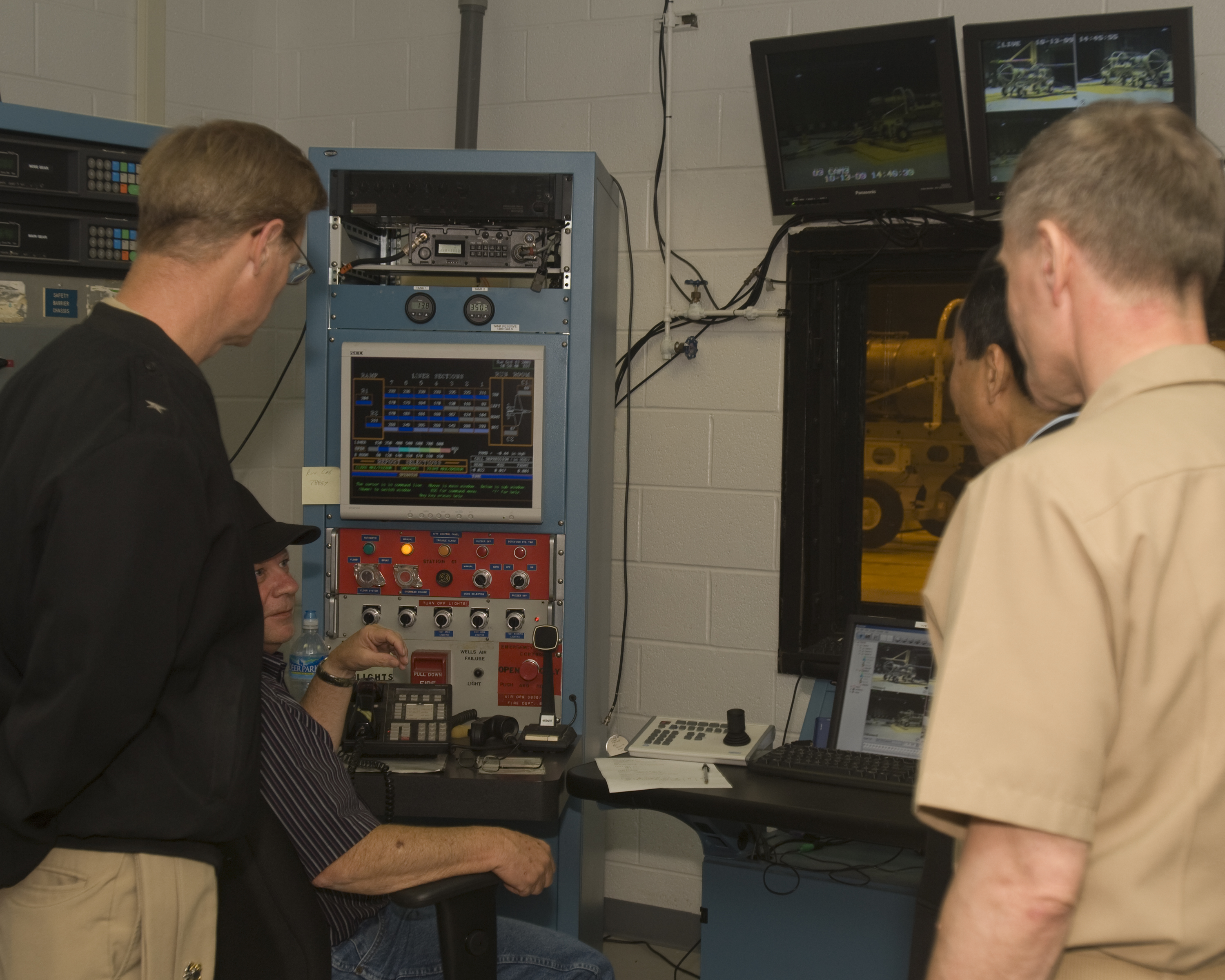 Engineering technicians solve technical problems. They build or set up equipment, conduct experiments, and collect data and calculate results.

